Heating, Ventilation, and Air Conditioning (HVAC) Installation and Maintenance Services in Kenya
From split units to full VRF systems, Élan Climat & Énergie designs, installs, and services Heating, Ventilation, and Air Conditioning (HVAC) solutions for homes, offices, hotels, hospitals, and industrial facilities across Nairobi, Mombasa, Kisumu, Eldoret, and Nakuru. Every HVAC system is sized and commissioned for peak energy efficiency in Kenya's climate, and backed by a Nairobi-based engineering team that also delivers solar PV, cold room refrigeration, electrical, plumbing, and elevator works under one contractor.
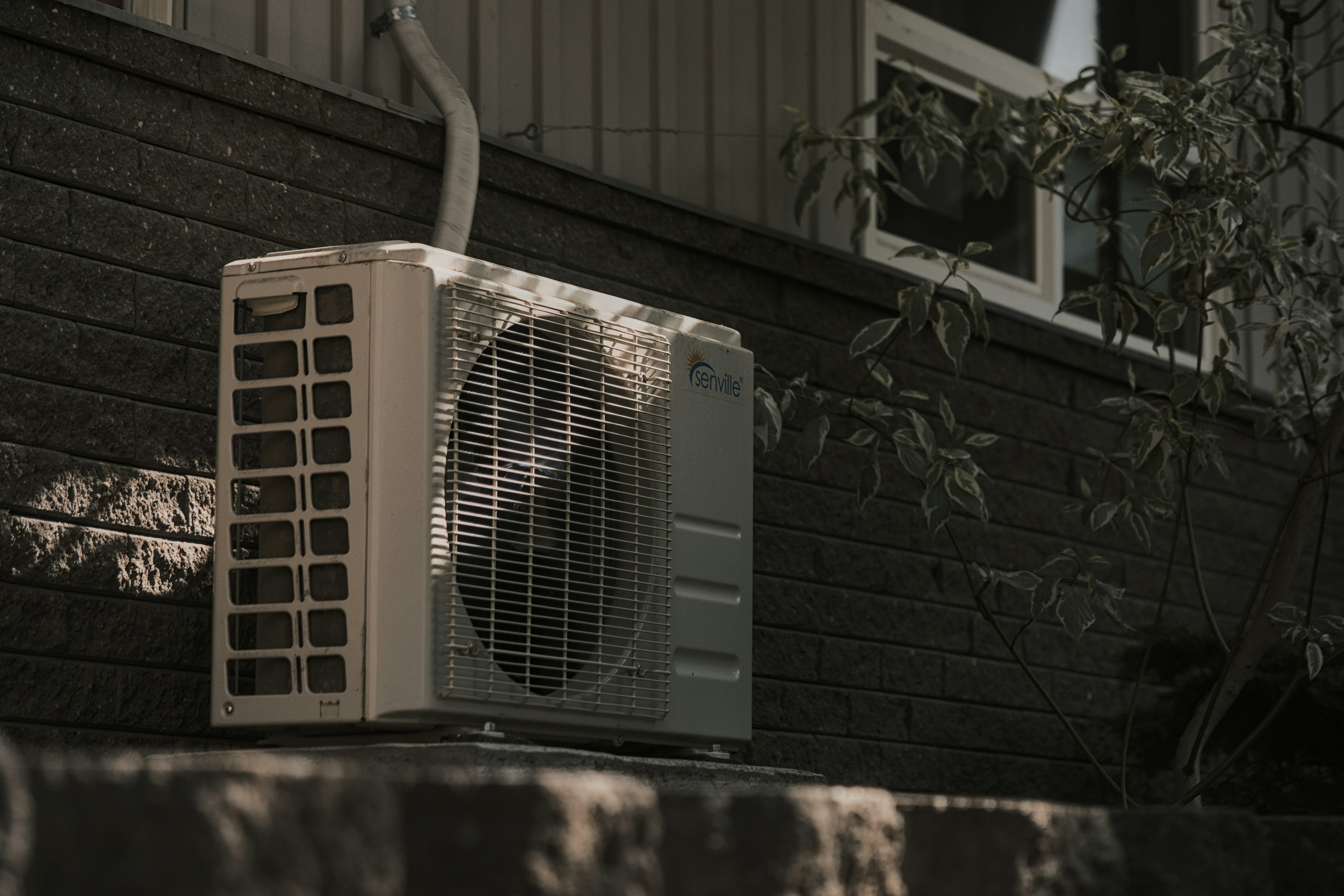
Heating, Ventilation, and Air Conditioning (HVAC) Installation and Maintenance Services in Kenya
From split units to full VRF systems, Élan Climat & Énergie designs, installs, and services Heating, Ventilation, and Air Conditioning (HVAC) solutions for homes, offices, hotels, hospitals, and industrial facilities across Nairobi, Mombasa, Kisumu, Eldoret, and Nakuru. Every HVAC system is sized and commissioned for peak energy efficiency in Kenya's climate, and backed by a Nairobi-based engineering team that also delivers solar PV, cold room refrigeration, electrical, plumbing, and elevator works under one contractor.
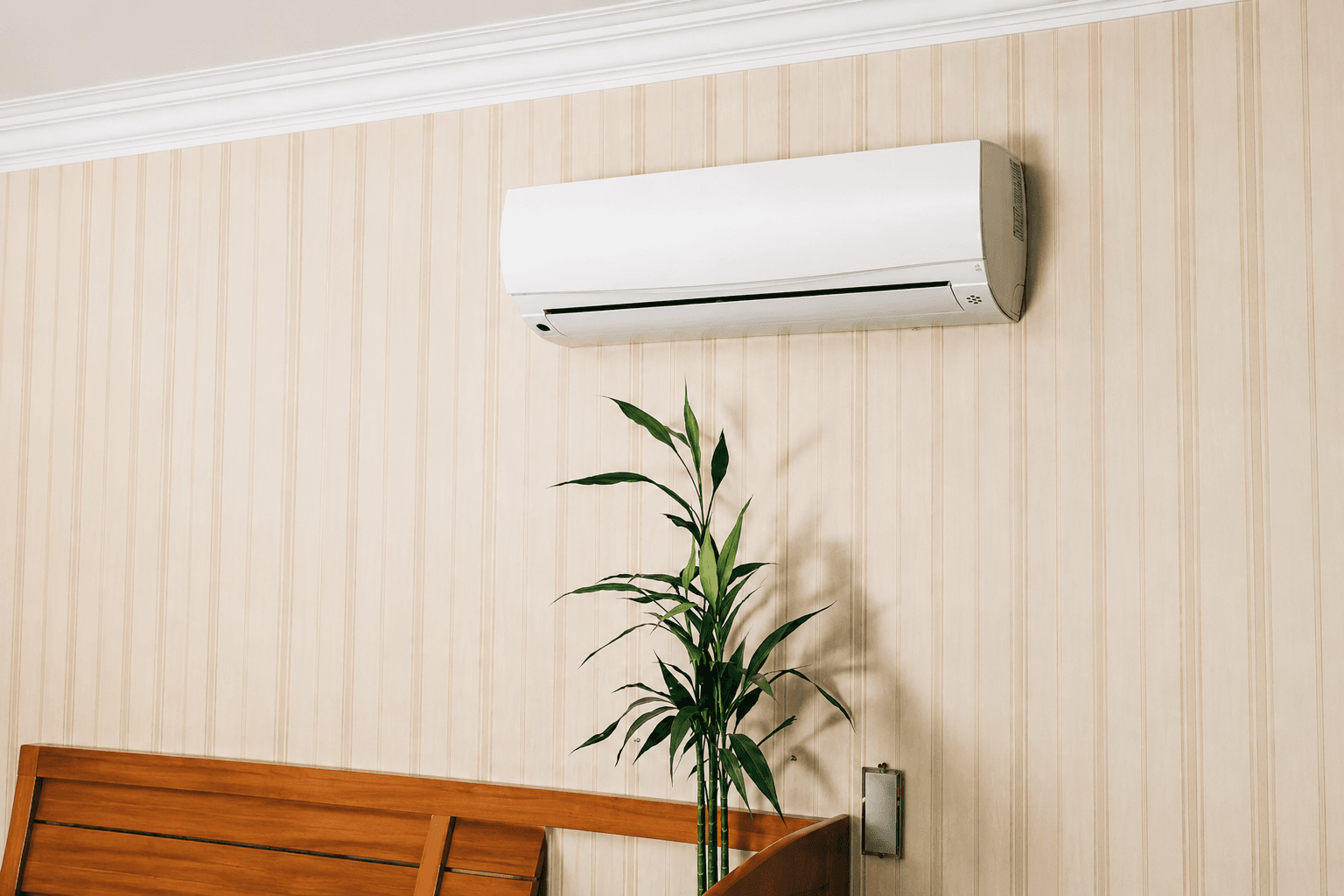
Design & Engineering
Every Heating, Ventilation, and Air Conditioning (HVAC) project at Élan Climat begins on paper, not on site. Before any equipment is specified, our engineers carry out a detailed cooling and heating load calculation using actual building data — orientation, glazing ratios, occupancy density, internal heat gains from equipment and lighting, and Kenya-specific weather profiles for the project's location. This is the single step most under-engineered installations skip, and it's the root cause of the two most common HVAC complaints we inherit from other contractors: systems that are too large and short-cycle constantly, or too small and never quite hold setpoint on a hot afternoon.
For multi-zone commercial buildings, we model airflow and ductwork routing in CAD before fabrication begins, checking for clashes with structural beams, electrical containment, and ceiling void depth. This reduces on-site rework to a fraction of what's typical in the Kenyan market and means the HVAC installation programme we quote is the installation programme we deliver, whether the project is a single-storey retail fit-out in Nairobi or a multi-floor hotel tower on the coast.
Equipment & System Types
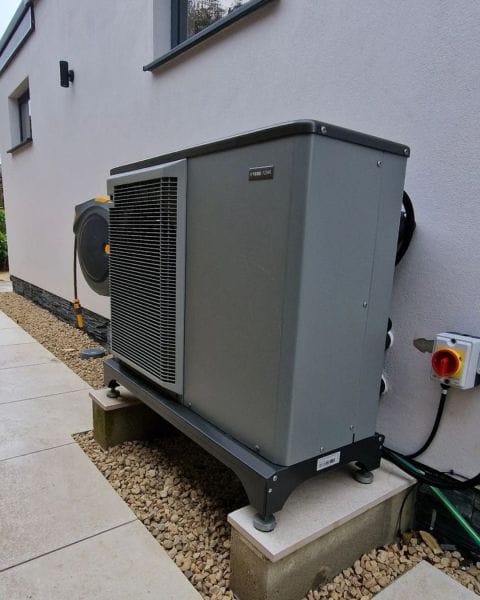
We design and install the full range of HVAC technologies suited to Kenya's building stock: wall-mounted and floor-ceiling split units for individual rooms; VRF/VRV multi-split systems that allow dozens of indoor units to run off a shared outdoor condenser with independent zone control; ducted central air systems for open-plan commercial floors and hospitality projects; and precision cooling units for server rooms and data centres where temperature and humidity tolerances are far tighter than in standard occupied space.
Equipment is sourced exclusively through authorised distributors of brands including Daikin, Mitsubishi Electric, LG, Samsung, Carrier, and Trane — never grey-market imports — which protects warranty validity and ensures genuine spare parts remain available for the HVAC system's full service life.
Installation Process
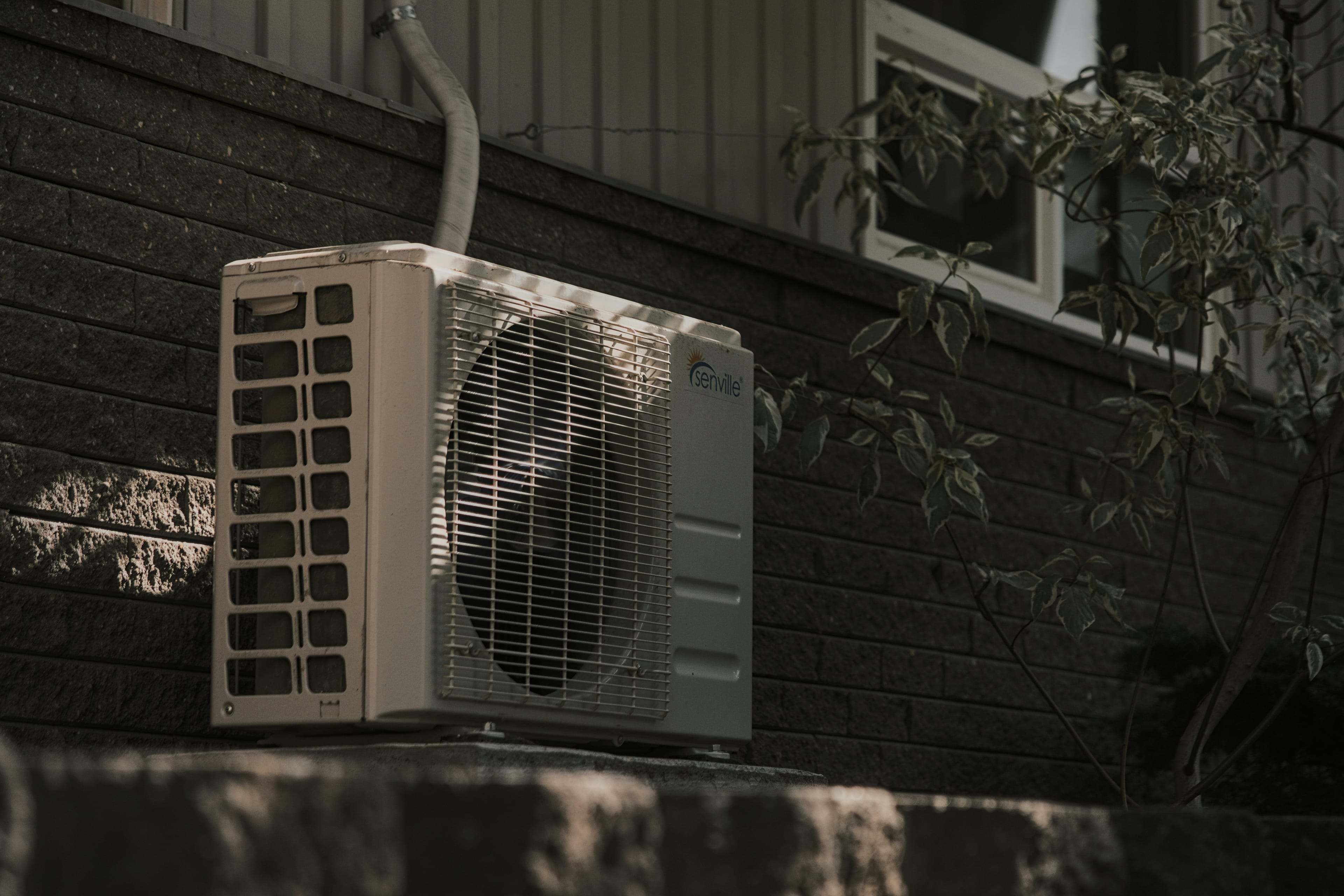
Once a design is approved, installation follows a fixed sequence: structural mounting and vibration isolation for outdoor condensers, refrigerant pipe routing with correct fall and insulation thickness to prevent condensation damage, condensate drainage tied into the building's plumbing with appropriate trap and fall, and electrical connection through dedicated circuits sized to the equipment's actual draw — not a generic allowance. Refrigerant lines are pressure-tested and evacuated to remove moisture and air before charging, and every HVAC system is commissioned against manufacturer specification before handover, with readings logged and provided to the client.
Compliance & Standards
All electrical work associated with HVAC installation is carried out by EPRA-registered electricians, and refrigerant handling follows EPA-aligned recovery and charging practices to avoid uncontrolled release of refrigerant gases. For commercial and hospitality projects, we also account for Kenya's building code requirements around mechanical ventilation rates and fire-damper integration where ductwork penetrates compartment walls.
Maintenance & Aftercare
A Heating, Ventilation, and Air Conditioning (HVAC) system's efficiency degrades steadily from the day it's commissioned unless it's maintained on a schedule. Our preventive maintenance contracts cover filter cleaning or replacement, condenser and evaporator coil cleaning, refrigerant pressure and superheat checks, electrical connection tightening, and condensate drain clearing — the items that, left unaddressed, quietly push running costs up by 15–30% within two years. Contract clients also receive priority emergency response and discounted call-out rates outside the maintenance schedule.
Working With a Multi-Disciplinary Contractor
Because Élan Climat & Énergie also delivers solar PV and battery storage, electrical works, plumbing, cold room refrigeration, and elevator installation, our HVAC clients frequently combine projects — a hotel replacing its chiller plant while also adding solar offset, or a hospital pairing a new ducted system with a standby generator upgrade. Running these scopes through one engineering team, rather than coordinating separate specialist contractors, removes the interface risk that typically shows up at handover as blame-shifting between trades.
Heating, Ventilation & Air Conditioning (HVAC) Across Kenyan Industries
Guest comfort is non-negotiable for hotels and lodges. We design quiet, zoned HVAC systems that let each room or suite control its own setpoint without disturbing the building's overall energy profile, with particular attention to noise levels in sleeping areas.
Hospitals and clinics require precise temperature and humidity control, particularly in theatres, wards, and pharmacy storage. We design HVAC systems with appropriate filtration and positive/negative pressure relationships where infection control requires it.
Precision cooling units maintain the tight temperature and humidity bands that IT equipment requires, with redundant configurations so a single unit failure doesn't risk an outage.
From a single split unit in a Westlands apartment to whole-house ducted systems in a Karen villa, we right-size residential HVAC to the home's actual heat load rather than a rule-of-thumb estimate.
What Sets Our Heating, Ventilation & Air Conditioning (HVAC) Apart
Certified Engineers
Our team holds ASHRAE and manufacturer-level certifications with over 10 years of Kenya-specific installation experience.
Energy-First Design
Every system is load-calculated to avoid oversizing — the most common cause of poor efficiency and high running costs.
Genuine Parts Only
We source directly from authorised distributors, ensuring warranty validity and long-term parts availability.
Nationwide Coverage
Active project teams across Nairobi, Mombasa, Kisumu, Eldoret, Nakuru, and Nyeri.
Common Questions About Heating, Ventilation & Air Conditioning (HVAC) in Kenya
How long does HVAC installation take for a commercial building in Nairobi?
For a typical commercial fit-out in Nairobi, Heating, Ventilation, and Air Conditioning (HVAC) installation takes 2–6 weeks depending on system complexity. A simple split-unit installation for a small office can be completed in 1–2 days, while a full VRF system for a multi-floor building typically requires 3–5 weeks including ductwork, controls wiring, and commissioning.
What HVAC systems work best in Nairobi's climate?
Nairobi's moderate altitude (1,700m) and relatively stable temperatures make it well-suited to inverter-driven split systems and VRF/VRV multi-splits. For large commercial buildings, ducted central systems with energy recovery ventilation (ERV) offer the best balance of comfort and energy efficiency. Coastal locations like Mombasa require systems rated for high humidity and salt-air corrosion.
Do you provide HVAC maintenance contracts in Kenya?
Yes. We offer quarterly and annual preventive maintenance contracts covering filter cleaning, coil inspections, refrigerant top-up checks, electrical connection tightening, and full performance testing. Contract clients receive priority response times and discounted emergency call-out rates.
Can you service HVAC systems installed by other companies?
Absolutely. We service all major brands including Daikin, Mitsubishi Electric, LG, Samsung, Carrier, and Trane. Our technicians are trained across multiple platforms and can diagnose faults, source spare parts, and bring underperforming systems back to specification.
What is the cost of HVAC installation in Kenya?
HVAC installation costs in Kenya vary significantly based on system type, building size, and location. A single residential split unit starts from KES 60,000 installed, while a full VRF system for a commercial building can range from KES 800,000 to several million shillings. We provide detailed, itemised quotations after a free site survey.
Do you size HVAC systems based on actual load calculations or rule-of-thumb estimates?
We always perform a proper load calculation using site-specific data — orientation, glazing, occupancy, and equipment heat loads. Rule-of-thumb sizing is the leading cause of oversized systems that short-cycle and underperform, and we don't quote installations on that basis.
How often should HVAC filters be cleaned or replaced in Kenya?
In Nairobi's relatively dusty environment, we recommend filter inspection monthly and cleaning or replacement every 1–3 months for standard split and VRF systems, and more frequently for units near construction sites or unpaved roads. Maintenance contract clients have this scheduled automatically.
Can you integrate HVAC controls with a building management system (BMS)?
Yes. For commercial and hospitality projects, we integrate HVAC controllers with BMS platforms via BACnet or Modbus protocols, enabling centralised scheduling, demand-based control, and energy reporting across the entire building.
Does Élan Climat only handle HVAC, or do you cover other building services too?
HVAC is one of seven disciplines we deliver in-house. Élan Climat & Énergie is a multi-disciplinary engineering contractor also covering solar PV and battery storage, cold room refrigeration, electrical works, plumbing, elevator installation and maintenance, and standby generator supply — so a client can run an HVAC upgrade alongside a solar or electrical scope with a single point of accountability.
Other Services We Offer in Kenya
Get a Quote for Heating, Ventilation & Air Conditioning (HVAC) in Kenya
Our engineers are ready to assess your requirements and provide a detailed, itemised proposal — at no cost to you.